


Systemic dual pathway bi-specific
IL-17 therapy
Targeted IL-17 modulation for next-generation treatment of moderate-to-severe psoriasis
Transforming Systemic Psoriatic Care
Offering broader, more durable control for patients with skin and joint disease.
Scinai Immunotherapeutics is advancing a systemic, bi-specific VHH NanoAb (variable domain of a heavy chain-only antibody) with an IL-17A/IL-17F neutralizing arm and a second proprietary arm, designed to modulate multiple inflammatory pathways with ultra-low dosing, addressing persistent gaps in efficacy, durability, and adherence for patients with moderate-to-severe plaque psoriasis and psoriatic arthritis.

The Unmet Need
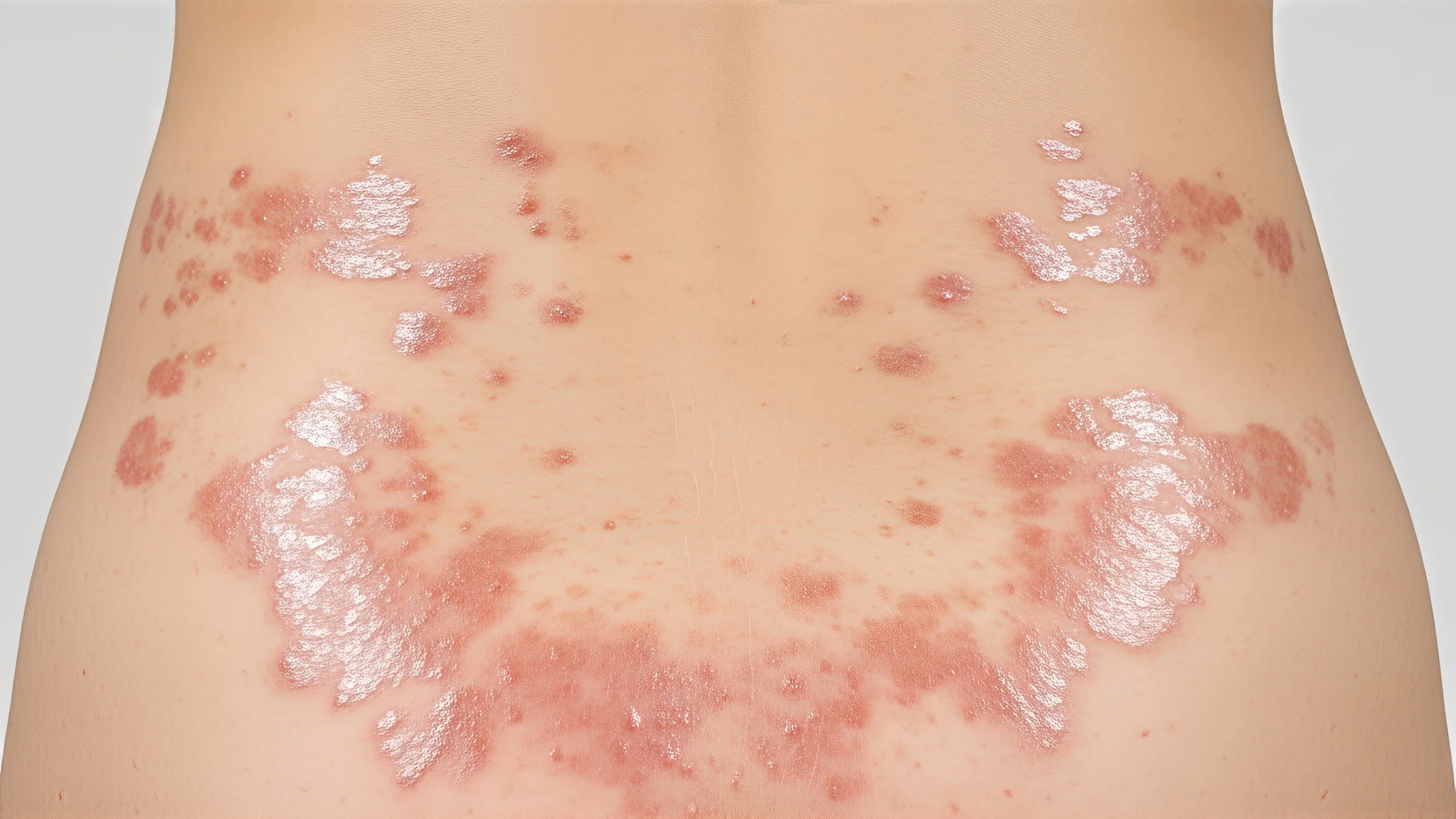
Moderate to severe plaque psoriasis, psoriasis arthritis (PsA)
A substantial proportion of patients with moderate-to-severe plaque psoriasis and psoriatic arthritis are forced to switch treatments over time due to inadequate response or adverse events. Current single-pathway regimens targeting TNFα, IL-17, or IL-23 often come with high injection burden and only partial pathway coverage, leading to gaps in adherence, durability, and long-term disease control.
Moderate to severe plaque psoriasis

3.1 million
patients in 7 major markets
(US, EU5 and Japan)

15–20%
of the total plaque
psoriasis population
Psoriatic arthritis
4.5 million
patients in 7 major markets
(US, EU5 and Japan)
25–30%
of the total psoriasis population
*Potential expansion into other
IL-17-mediated diseases
(axSpA, HS)
THE GAP IN TODAY’S TREATMENT LANDSCAPE
Current biologic treatments for moderate-to-severe psoriasis and psoriatic arthritis primarily target single inflammatory pathways, such as IL-17, IL-23, or TNFα. While these agents can be effective, many patients experience incomplete disease control, loss of response over time, or require frequent switching due to safety, tolerability, or adherence challenges.
As a result, a substantial proportion of patients remain inadequately managed despite access to advanced biologic therapies.
Systemic treatment is often associated with high injection burden, partial pathway coverage, and escalating long-term costs, limiting durability and real-world effectiveness-particularly for biologic-experienced patients and those with overlapping skin and joint disease.
Clinicians and payers continue to seek differentiated systemic therapies that deliver broader, more durable efficacy with lower treatment burden, improved adherence, and clear value across the psoriatic disease spectrum.

Our Solution
Systemic bi-specific delivery of a VHH-derived therapeutic with an IL-17A/IL-17F–targeting arm and an additional proprietary arm

How it works?
This systemic bi-specific anti-IL-17A/F VHH NanoAb is designed to move beyond single-pathway inhibition, targeting multiple drivers of psoriatic inflammation to deliver deeper, more durable disease control for patients with skin and joint involvement.

Dual-pathway targeting
The bi-specific construct is engineered to block IL-17A/F together with a second disease-relevant pathway, enabling broader immunomodulation and meaningful differentiation from mono-specific IL-17 agents.

Systemic nanoab delivery
Systemic administration of the VHH (NanoAb) format is intended to combine biologic-level potency with a streamlined molecular design and optimized dosing profile suitable for moderate-to-severe psoriatic disease.
Treatment Benefits

Broader, more durable efficacy
Multi-pathway targeting is designed to deepen and prolong clinical responses beyond what is typically achievable with single-pathway IL-17, IL-23, or TNFα inhibitors.

Lower treatment burden
Ultra-low dosing frequency aims to reduce injection burden, supporting better real-world adherence and persistence on therapy.

Designed for hard-to-treat patients
The differentiated profile is intended for patients who have cycled through prior biologics or experienced loss of efficacy or tolerability issues, addressing a clear, high-need population.

Clinical, economic, and societal value
By improving real-world effectiveness while potentially lowering switching rates and overall disease burden, this approach aspires to create meaningful value for patients, providers, and healthcare systems.

Contact us
Get in touch to explore partnership opportunities and consult our CDMO specialists